





Reshoring isn’t driven by cost. Which isn't all that surprising, because the UK is still one of the most expensive places to manufacture. Labour is high. Energy is high. Skills are hard to find and getting more expensive. If this was purely a cost decision, it wouldn’t be happening. And yet it is.
-
58% of manufacturers have already brought some production back
-
82% are planning to accelerate it
-
Over 60% are actively localising supply chains
Something has clearly shifted.
It’s not really about cost anymore
What’s changed is the definition of cost. It’s now about risk, control, and predictability. Lead times move around. Expediting becomes normal. Quality issues are discovered too late. Engineering changes take too long. What once looked efficient now feels fragile.
The question has shifted from: “Where is cheapest?” to “Where do we actually have control?”.
Inventory is now a risk, not a buffer
Offshore models typically mean long lead times, higher safety stock, and cash tied up in inventory. Reshoring changes that:
-
Shorter lead times
-
Faster response
-
Reduced working capital
More businesses are accepting higher unit costs in exchange for cash flow, agility, and predictability.
Compliance and traceability pressures are increasing
Full traceability, FAIRs, MRB, and audit readiness are no longer optional. Reshoring reduces risk, but only if it’s properly controlled.

Hybrid supply chains increase complexity
Most manufacturers aren’t reshoring everything. Instead, many choose a hybrid option that increase complexity. High-volume work stays offshore, while complex work comes back. This creates a more resilient but more complex operating model.
This is where things start to break:
-
ERP and quality systems are disconnected
-
Spreadsheets fill the gaps
-
Visibility is limited
-
Processes are manual
Capacity improves. Control doesn’t. And that’s the risk.
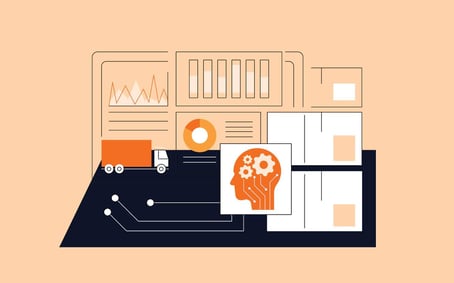
Solving the reshoring challenge
Reshoring increases transaction volume, complexity, and pressure on quality. Without the right systems, it leads to delays, bottlenecks, and audit exposure.
Manufacturers getting ahead of this focus on control:
-
Traceability from quote to dispatch
-
Embedded quality processes
-
Real-time visibility
-
Accurate costing and time capture
-
Control over inventory and supply chain
Why legacy ERP systems struggles
-
ERP and QMS sit separately
-
Spreadsheets bridge the gaps
-
Real-time insight is limited
This fragmentation creates risk.
Where RamBase fits
RamBase brings operations, quality, and supply chain into one system.
-
Full traceability from quote to dispatch
-
FAIRs, NCR, and MRB built in
-
Real-time visibility
-
Secure, scalable cloud platform
Not for the sake of modernisation, but to make a more complex operating model actually work.
Final thought
Reshoring doesn’t fail because the UK is expensive. It fails when complexity comes back into the business and nothing else changes.
Control is what makes it work backed up by modern systems fit for purpose.
